The history of Toledo City, Cebu.
Guide6 min read
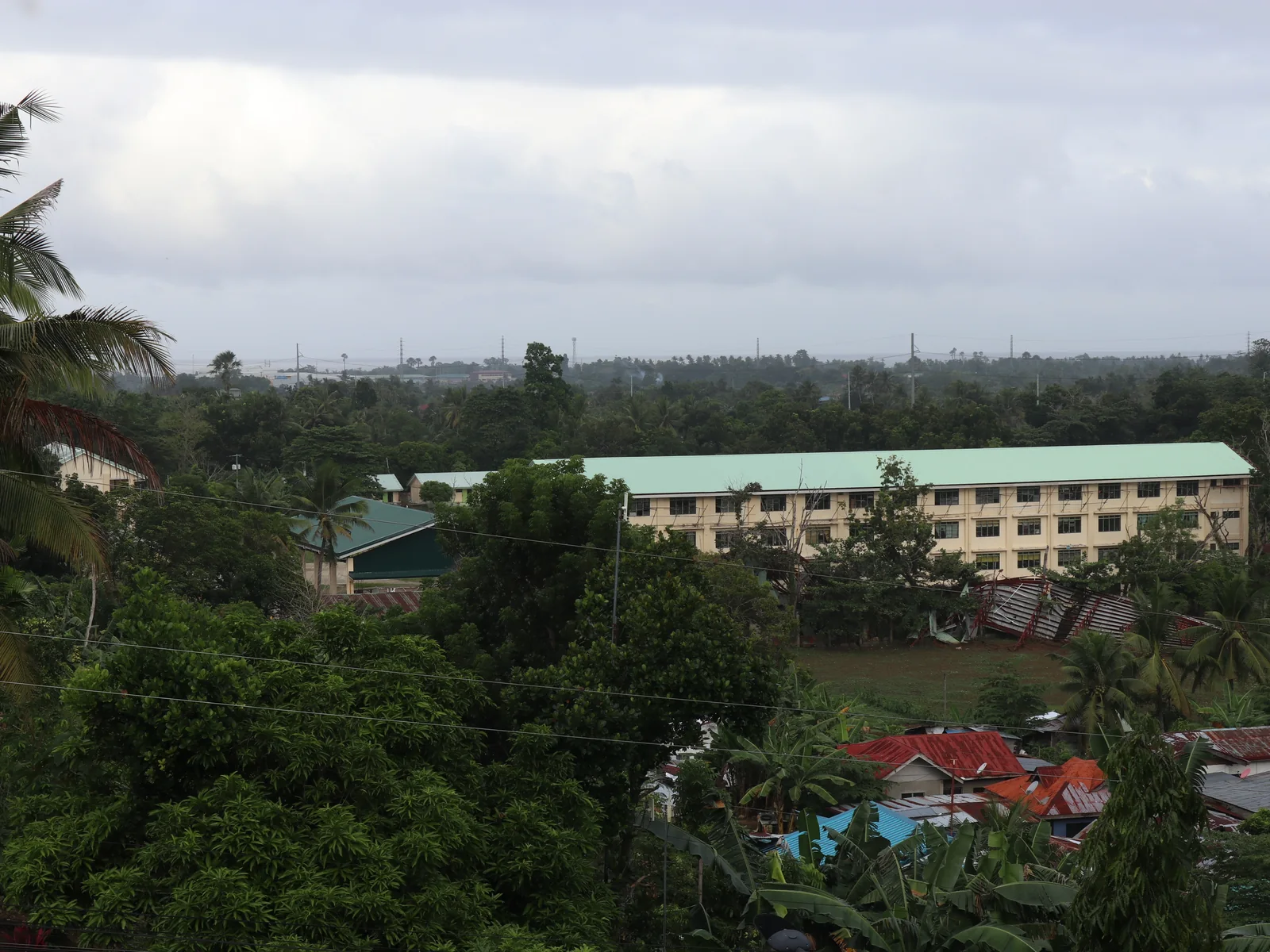
Toledo City is on the western coast of Cebu province, roughly two hours from Cebu City by road and an hour by ferry from the Negros Occidental side of the Tañon Strait. Most people know it for the pier, the public market, the mines and the long mountain road up to Lutopan. Fewer know how the city got to be what it is. Here's the short version.
Early settlement on the Cebu west coast
Long before it became a city, Toledo was a coastal community on the western side of Cebu Island. People fished, farmed small plots and traded by sea across the Tañon Strait. The town was first called Hinulawan, from the Cebuano "Hinaguang Bulawan," meaning hard-earned gold, because of the minerals in the area.
The pueblo took the name Toledo in 1869, after Toledo, Spain. That was the hometown of both the alcalde mayor of Cebu and the Governor-General at the time. Under Spanish rule the town grew slowly around its parish, and the layout from those years still holds today: Poblacion as the commercial and civic center, coastal barangays along the water and upland communities in the hills.
Copper mining and the Lutopan era
Copper mining in the 20th century made modern Toledo. Atlas Consolidated Mining and Development Corporation (ACMDC) started copper operations here in 1953 and began producing ore in 1955. Lutopan was the center of it all and home to the Don Andres Soriano Concentrator (DASCon). The barangay was later renamed Don Andres Soriano after the company's founder.
At its peak in the 1970s, the Toledo Copper Mine was reportedly the largest copper mine in Asia and one of the largest in the world. Atlas brought thousands of workers and their families up into the hills and built whole townships around the mining camps. Several upland barangays still go by their camp names today. Camp 8 is the clearest example.
A severe typhoon in late 1993 forced Atlas to stop operations, and roughly 12,000 employees lost their jobs. Mining came back in September 2007, when the subsidiary Carmen Copper Corporation restarted at the same site. Mining still shapes the upland side of Toledo, and you can see it in the roads, in how the neighborhoods are laid out and in the institutions built for mining families.
The city charter
Toledo became a city on June 18, 1960, under Republic Act No. 2688. That made it the second city in Cebu province at the time. City Hall officially opened on January 6, 1961. The charter reflected how much Toledo mattered to the economy in the mid-20th century, much of it thanks to the Atlas mining boom, and it gave the city its own seat in provincial politics.
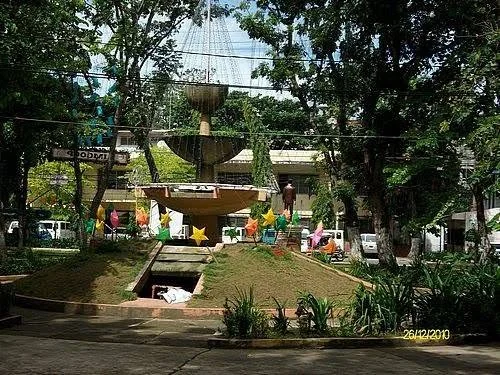
The city government works out of the City Hall complex in Poblacion, near the courts and other public offices.
The coast: Sangi, Ibo, Poog and Matab-ang
Up in the hills, Toledo's story is mining. Down on the coast in Sangi, Ibo, Poog and Matab-ang, it's fishing, shipping and industry. The Toledo Power Company's coal-fired Sangi station runs in Barangay Daanlungsod, and the Toledo Pier is the main link across the Tañon Strait.
The coast has beaches, fresh seafood and a busy port. It looks and feels different from the hills, even though it's all one city.
Toledo today
The 2024 census counts roughly 207,000 people in Toledo City, across 38 barangays: 10 urban and 28 rural. People here work in industry, small business, farming and a growing service sector. Schools, hospitals and shopping areas keep spreading around Poblacion and along the main roads.
Every June 12 the city celebrates the Hinulawan Festival for its patron saint, San Juan de Sahagun. The festival keeps the town's original name, Hinulawan, and its link to the area's mineral wealth. There's also Sinulog sa Toledo every January.